This Ancient Grain Was So Powerful the Conquistadors Banned It — Here's How to Cook With It
Most grains have a simple origin story. Wheat was domesticated in the Fertile Crescent. Rice spread across Asia. Oats came from Europe.
But amaranth? Amaranth has a story that sounds like it belongs in a history documentary.
It was one of the most important crops in the Aztec Empire — cultivated on a massive scale, used in sacred ceremonies, and valued so highly that it was offered as tribute to emperors. And when the Spanish conquistadors arrived in the 1500s, they didn't just conquer the people. They banned the grain itself.
Five hundred years later, amaranth is still here. And most people have never even heard of it.
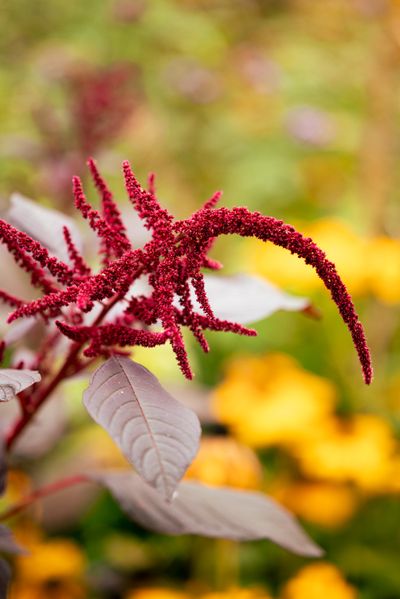
Photo by Paige Thompson
The Grain the Conquistadors Tried to Erase
To understand why amaranth matters, you have to understand what it meant to the Aztecs.
Amaranth wasn't just food — it was woven into the fabric of Aztec culture. During religious festivals, amaranth seeds were mixed with honey and sometimes shaped into figures of deities. The grain was so central to Aztec identity that when Hernán Cortés and the Spanish conquistadors set out to dismantle the empire, they went after the crop directly.
They made it illegal to grow amaranth. Fields were burned. Farmers caught cultivating it faced severe punishment. The logic was brutal but strategic: destroy the grain, destroy the culture built around it.
But amaranth is a survivor. It's an incredibly resilient plant that grows in poor soil, tolerates drought, and produces thousands of seeds from a single stalk. Small pockets of cultivation continued in remote areas of Mexico, Central America, and the Andes. Indigenous communities quietly kept it alive for centuries.
Today, amaranth is experiencing a global resurgence — and when you look at what's actually inside the grain, it's easy to understand why.
What's Inside Amaranth
Amaranth is technically not a grain at all — it's a pseudo-cereal, meaning it's a seed that's cooked and used like a grain. Quinoa falls into the same category. But nutritionally, amaranth holds its own against almost anything in the grain world.
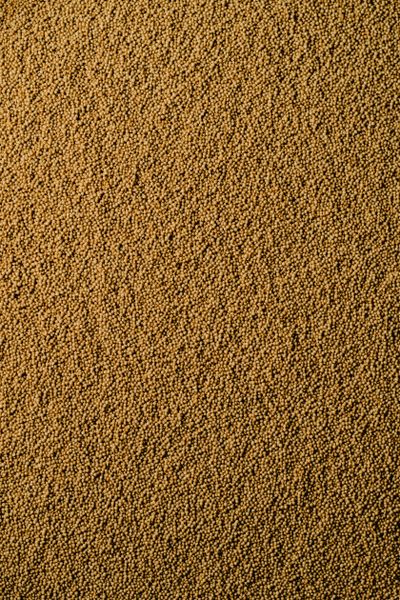
Photo by Eva Bronzini
High Protein for a Grain
One cup of cooked amaranth contains approximately 9 grams of protein. That's higher than most other grains, including rice, oats, and even quinoa by some measurements. For anyone building meals around plant based protein sources, amaranth is a versatile foundation.
It also contains lysine — an amino acid that's typically low or absent in most grains. This makes amaranth's protein profile more complete than wheat, rice, or corn.
Iron and Calcium
A single cup of cooked amaranth provides roughly 5 mg of iron — about 28% of the recommended daily intake. It also contains approximately 116 mg of calcium per cup, making it one of the more calcium-dense grains available.
For comparison, a cup of cooked white rice contains less than 1 mg of iron. The difference is significant.
Naturally Gluten-Free
Amaranth contains no gluten, making it a natural fit for anyone avoiding wheat-based grains. If you've been searching for gluten free breakfast options that aren't just rice cakes and corn flakes, amaranth opens up a whole new category.
Fiber, Magnesium, and Phosphorus
Amaranth is also a source of dietary fiber (about 5 grams per cooked cup), magnesium, phosphorus, and manganese. It's a nutrient-dense grain that delivers a lot per serving — which is part of why the Aztecs relied on it so heavily as a staple crop.
Amaranth Is Alkaline-Approved
The Healthy Way app has the complete list of alkaline-approved grains, vegetables, fruits, and more — everything you need to build a cleaner kitchen.
Download The Healthy WayHow to Cook With Amaranth
If you've never cooked with amaranth before, here's what to expect: the seeds are tiny — smaller than quinoa, almost like poppy seeds. When cooked in liquid, they break down into a creamy, porridge-like consistency that's completely different from fluffy grains like rice or farro.
This makes amaranth ideal for:
Porridge and breakfast bowls — cooked with water or plant milk, it creates a warm, thick base that's perfect for topping with fruit, seeds, and agave.
Popped amaranth — when heated in a dry skillet, amaranth seeds pop like tiny popcorn. Popped amaranth can be sprinkled over salads, stirred into trail mix, or used as a crunchy topping.
Thickener for soups and stews — because it cooks down into a thick consistency, amaranth works well stirred into soups where you want extra body and substance.
The recipe below is the easiest way to start — a simple recipe for amaranth porridge that works as a gluten free breakfast or a filling afternoon meal.
Amaranth Breakfast Porridge with Berries and Agave
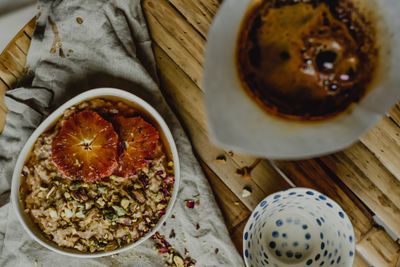
Photo by Eva Bronzini
Prep time: 2 minutes | Cook time: 20 minutes | Serves: 2
Ingredients
- 1 cup amaranth
- 2½ cups spring water
- 1 tablespoon pure agave syrup
- ½ cup fresh blueberries
- ½ cup fresh strawberries, sliced
- 2 tablespoons hemp seeds
- Pinch of pure sea salt
Directions
- Combine the amaranth, spring water, and a pinch of sea salt in a medium saucepan. Bring to a boil over medium-high heat.
- Reduce heat to low, cover, and simmer for 20 minutes, stirring occasionally. The amaranth will absorb the water and develop a thick, creamy porridge consistency.
- Remove from heat and stir in the agave syrup.
- Divide between two bowls. Top with fresh blueberries, sliced strawberries, and a tablespoon of hemp seeds per bowl.
- Serve warm. For a creamier texture, stir in a splash of homemade hemp seed milk before serving.
Notes
Texture tip: Amaranth porridge is naturally thick and sticky — more like cream of wheat than oatmeal. If you prefer a thinner consistency, add an extra ½ cup of water during cooking.
Make it ahead: Cooked amaranth stores well in the fridge for 3–4 days. Reheat with a splash of water to loosen it back up.
Try it popped: Reserve a few tablespoons of dry amaranth. Heat a dry skillet over high heat, add a tablespoon at a time, and shake the pan — the seeds will pop into tiny, crunchy puffs in about 15 seconds. Sprinkle over the finished porridge for contrast.
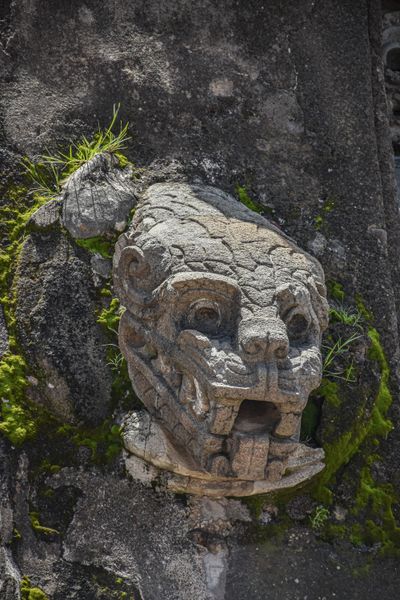
Photo by Enzo Renz
A Grain That Refused to Disappear
There's something remarkable about a crop that survived an empire trying to erase it. The Spanish burned the fields, outlawed the cultivation, and punished anyone caught growing it. And yet, five centuries later, amaranth is still here — still feeding people, still showing up on kitchen tables, still quietly proving that some foods are too valuable to lose.
You can find amaranth at most health food stores, many Latin grocery stores, and online. It's inexpensive, shelf-stable, and one of the most gluten free ancient grains you can add to your kitchen.
If you're looking for vegan breakfast foods that go beyond the usual rotation, or if you want to add more plant based protein sources to your meals, amaranth is one of the most versatile and nutrient-dense options available. The Aztecs built an empire around it. The least we can do is make breakfast with it.
Build a Cleaner Kitchen with Alkaline-Approved Ingredients
The Healthy Way app has every approved grain, fruit, vegetable, and herb — plus inspiration for what to make with them.
Get The Healthy Way App