This Tiny Fruit Is One of the Most Alkaline Foods You're Not Eating
Most people walk right past it at the grocery store. It's small, it's green, and it looks like a regular lime that didn't quite finish growing. But this tiny fruit — the key lime — is one of the most alkaline-forming foods you can find. And almost nobody is using it.
That might sound backwards. A lime? Alkaline? It tastes sour. It's citrus. How could something so acidic actually be alkaline-forming?
That's exactly the kind of thing most people get wrong about food — and it's why this little fruit deserves a spot in your kitchen starting today.
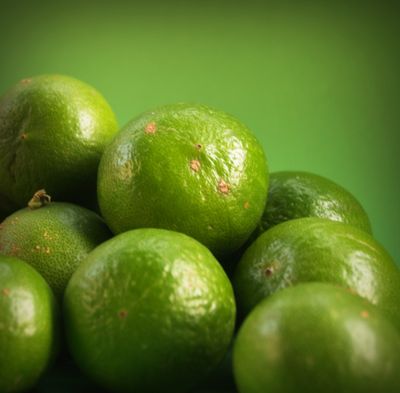
Photo by icon0 com
The Acid-Alkaline Paradox Most People Don't Understand
Here's what catches people off guard: a food's taste has nothing to do with how it's classified on the acid-alkaline scale. What matters is the mineral residue it leaves behind after digestion.
Key limes are rich in potassium, magnesium, and calcium. When metabolized, those minerals create an alkaline ash. Despite tasting sour on your tongue, key limes are one of the most alkaline-forming foods you can eat.
This is the same reason people who follow a whole food plant-based diet centered around alkaline-forming ingredients tend to build their meals around mineral-rich fruits, vegetables, and greens rather than processed, acid-forming foods.
Why Key Limes — Not Regular Limes?
You might be wondering what makes key limes different from the Persian limes you usually see in stores. It comes down to a few things:
- Higher mineral concentration — key limes pack more potassium and calcium per ounce than their larger cousins
- More aromatic and flavorful — a little goes a long way, so you use less and waste less
- Lower in sugar — key limes are among the fruits low in sugar, making them ideal for people watching their glycemic intake
- Naturally alkaline-forming — they rank high among alkaline foods due to their mineral content

Photo by Mateusz Feliksik
The Alkaline-Forming Connection
Many people are surprised to learn that citrus fruits like key limes are classified as alkaline-forming rather than acidic. This classification is based on the mineral residue — the alkaline ash — left after metabolism, not on the taste of the fruit itself.
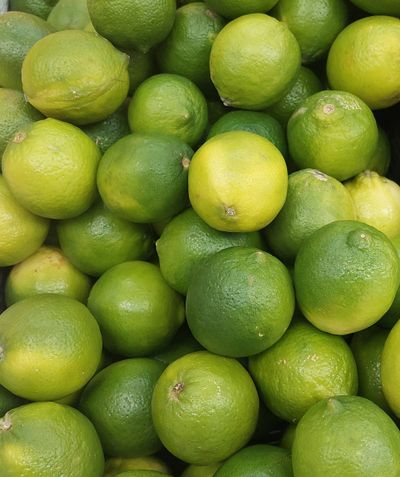
Photo by AirForceOne O
The standard modern diet tends to lean heavily toward acid-forming foods — processed foods, refined sugar, heavy dairy, and red meat. By contrast, alkaline-forming foods like key limes, leafy greens, cucumbers, and avocados are rich in minerals like potassium, magnesium, and calcium.
A simple glass of water with fresh-squeezed key lime first thing in the morning is one of the easiest ways to add an alkaline-forming food to your daily routine — and it costs almost nothing.
Packed With Fiber, Potassium, and Vitamin C
Key limes are small but nutritionally dense. They belong to a category of fruits high in fiber relative to their size. They're also among the fruits high in potassium — a mineral most people don't get enough of.
And then there's the vitamin C. Just two or three key limes squeezed into your morning water delivers a solid dose of this essential antioxidant.
For something so small and easy to overlook, key limes quietly pack an impressive nutritional profile into a tiny package.
Want to build every meal around alkaline-approved ingredients like this?
The Healthy Way app gives you custom recipes made exclusively from 90+ alkaline-approved ingredients. No guesswork, no searching — just tell it what you're in the mood for.
Download The Healthy Way — Free on Google Play5 Simple Ways to Use Key Limes Every Day
You don't need a fancy recipe to start using key limes. Here are five effortless ways to work them into your daily routine:
- Morning alkaline water — Squeeze 2-3 key limes into a glass of room-temperature water. Drink it before anything else.
- Salad dressing base — Mix key lime juice with olive oil, a pinch of sea salt, and oregano. Drizzle over kale, cucumber, and avocado for a simple alkaline lunch.
- Smoothie brightener — Add the juice of one key lime to any fruit smoothie. It pairs beautifully with mango, banana, and hemp seeds.
- Seasoning for cooked greens — Squeeze fresh key lime over sautéed callaloo, amaranth greens, or dandelion greens right before serving. The acidity brightens the flavor without adding sugar or processed sauces.
- Herbal tea upgrade — Add a squeeze of key lime to chamomile or ginger tea. It adds a refreshing citrus note to your evening wind-down.

Photo by cottonbro studio
The Bigger Picture: Why Alkaline-Forming Foods Matter
Key limes are just one piece of the puzzle. The real shift happens when your entire plate starts leaning alkaline — when the majority of what you eat is built around mineral-rich, whole plant foods.
A whole food plant-based diet built on alkaline-forming ingredients centers your meals around fruits, vegetables, herbs, and grains that are naturally rich in potassium, magnesium, and calcium. It's not about perfection. It's about direction.
And it can start with something as simple as a tiny green lime that most people walk right past.
Next time you're at the store, pick up a bag of key limes. Squeeze one into your water tomorrow morning. This small addition is one of the easiest ways to bring more alkaline-forming foods into your day.
Ready to eat alkaline without the guesswork?
The Healthy Way gives you personalized recipes from 90+ approved ingredients — so every meal is built around whole, alkaline-forming foods.
Get The Healthy Way — It's Free