In Japan They Call It Gobo — And It's One of the Most Underused Roots in Western Kitchens
There's a root vegetable that shows up in nearly every Japanese grocery store, gets sliced into stir-fries and simmered into soups across East Asia, and yet most Western cooks have never even heard of it. It's called gobo in Japan — and in the rest of the world, it goes by burdock root.
If you've walked past it at an Asian market, you probably didn't give it a second look. It's long, thin, and brown — not exactly eye-catching. But burdock root is one of the most fascinating and versatile root vegetables you can cook with, and it has a deep, earthy flavor unlike anything else in the produce aisle.
It's been a kitchen staple in Japan, Korea, and parts of Europe for centuries. And in the West, it's still waiting to be discovered.
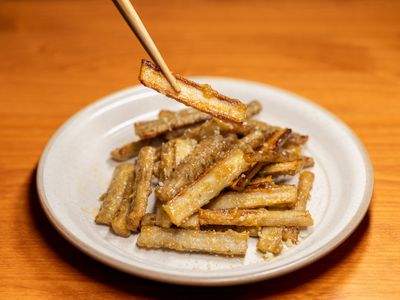
Photo by Gu Ko
So what makes burdock root worth adding to your kitchen? It starts with what's inside it — and the long culinary history behind it.
What Is Burdock Root? A Closer Look at This Overlooked Vegetable
Burdock root comes from the plant Arctium lappa, a deep-rooted biennial that grows wild across Asia and Europe. In Japan, it's one of the most commonly eaten root vegetables — sliced thin and added to kinpira gobo (a classic sauteed side dish), simmered in miso soup, or pickled as a condiment.
In Western herbalism, burdock root has been used in teas and tonics for hundreds of years. In the UK, "dandelion and burdock" is a traditional soft drink that dates back to the 13th century. In parts of Europe, it was a common ingredient in rustic soups and broths long before it fell out of fashion.
The flavor is earthy, slightly sweet, and a little nutty — somewhere between a parsnip and an artichoke heart. It has a satisfying crunch when raw and becomes tender and rich when cooked slowly.
What's Inside Burdock Root: Nutrient Composition
Photo by Cup of Couple
Burdock root is nutritionally dense for a root vegetable. Here's what makes it stand out:
Rich in Antioxidant Compounds
Burdock root contains notable concentrations of antioxidants, including quercetin, luteolin, and phenolic acids. These are naturally occurring plant compounds — the same class of phytochemicals found in many deeply pigmented fruits and vegetables.
High in Inulin (Prebiotic Fiber)
One of burdock root's most distinctive nutritional features is its high inulin content. Inulin is a type of prebiotic fiber — meaning it's a carbohydrate that passes through the upper digestive tract undigested. It's the same type of fiber found in chicory root, Jerusalem artichokes, and dandelion greens. Burdock root is one of the richest natural sources of it.
Notable Mineral Content
Burdock root is a natural source of iron, manganese, magnesium, and potassium. A single cup of cooked burdock root contains approximately 110mg of potassium and notable amounts of manganese and magnesium. It also provides small amounts of calcium, phosphorus, and folate.
Every Ingredient in This Recipe Is Alkaline-Approved
The Healthy Way app gives you the complete guide to plant-based, alkaline-approved ingredients — so you always know exactly what's in your food.
Download The Healthy WayHow to Cook with Burdock Root
If you're new to burdock root, the simplest way to start is with a tea or tonic. Simmering the dried root in water draws out its earthy flavor and makes a warming drink that's been part of East Asian and European kitchens for generations.
This recipe pairs burdock root with ginger for a spicy kick, key lime for citrus brightness, cayenne for warmth, and a touch of agave for natural sweetness.
The result is a deeply flavored, warming tonic with an earthy, slightly sweet character that's unlike any other tea you've tried.
Burdock Root Tonic with Ginger and Key Lime
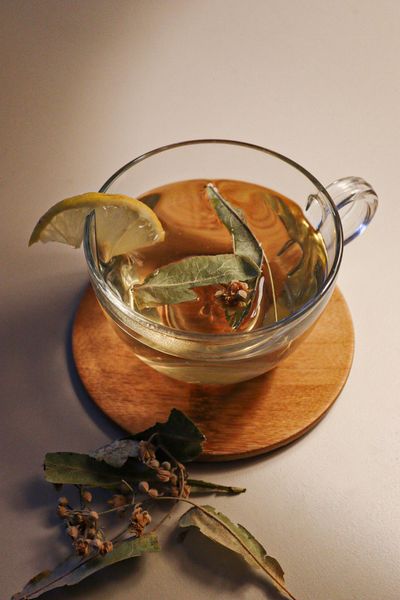
Photo by Kemal Yıldız
Prep time: 5 minutes | Cook time: 15 minutes | Serves: 2
Ingredients
- 2 tablespoons dried burdock root (or 3 tablespoons fresh, sliced thin)
- 1-inch piece of fresh ginger, peeled and sliced
- 2 cups spring water
- Juice of 1 key lime
- 1 small pinch cayenne pepper
- 1 tablespoon pure agave syrup (or to taste)
Directions
- Bring 2 cups of spring water to a boil in a small pot.
- Add the dried burdock root and sliced ginger. Reduce heat to low and let it simmer for 12–15 minutes. The water will turn a deep golden-brown color — that's how you know the compounds are being extracted.
- Remove from heat and strain through a fine mesh strainer into two mugs.
- Squeeze in the juice of one key lime and stir.
- Add a small pinch of cayenne pepper to each mug. Start small — a little goes a long way.
- Stir in pure agave syrup to taste.
- Drink warm, ideally first thing in the morning or before bed.
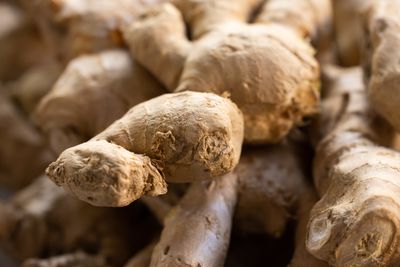
Photo by Engin Akyurt
Why This Combination Works (From a Flavor Perspective)
Burdock root provides the earthy, slightly sweet base. Ginger adds a sharp, warming spice that cuts through the earthiness. Key lime brightens the whole drink with acidity and citrus aroma. Cayenne brings a slow-building heat that lingers. Together, these four ingredients create a layered, complex tonic that's both warming and refreshing — a flavor profile that's common in traditional Asian and Caribbean herbal drinks.
Making It a Daily Ritual
Burdock root tonic is the kind of drink that grows on you. The flavor is subtle the first time, but after a few days you start to crave that earthy warmth. Here are a few ways to make it part of your routine:
Morning ritual: Brew this tonic first thing in the morning, before coffee or breakfast. The warmth and spice make it a satisfying way to start the day.
Batch brew: Make a larger batch (4 cups) and store the extra in the fridge. Reheat the next morning for a two-day supply. The flavor actually deepens as it sits.
Pair it with a meal: In Japan, burdock root tea is often enjoyed alongside meals. Try it with a simple rice bowl or a light soup for a traditional pairing.
A Root Worth Getting to Know
Burdock root has been part of kitchens across Asia and Europe for centuries — simmered into soups, sauteed into side dishes, brewed into teas, and even fermented into traditional soft drinks. It's one of those ingredients that entire food cultures have built around, and yet most Western cooks have never tried it.
If you're looking for something new in your kitchen — a root vegetable with a flavor and history unlike anything else in the produce section — burdock root is worth the experiment. Start with this tonic, and go from there.
Ready to Build an Alkaline Kitchen Full of Ingredients Like This?
The Healthy Way app has every alkaline-approved ingredient, recipe idea, and nutritional guide you need — all in one place.
Get The Healthy Way App