The Only Tree Nut With Significant Omega-3s — And Most People Underestimate It
Here's a fact that surprises most people: out of every common tree nut you can buy at a grocery store — almonds, cashews, pecans, pistachios, hazelnuts — only one contains a significant amount of omega-3 fatty acids. And it's been sitting in plain sight, usually in the baking aisle, completely underestimated.
That nut is the walnut. And what makes it unusual goes well beyond the omega-3 content. Walnuts have one of the most interesting nutritional profiles of any whole food — and a culinary history that stretches back over 7,000 years.
Today we're going to look at what's actually inside a walnut, why it stands apart from every other nut on the shelf, and a simple smoothie recipe that puts it to delicious use.
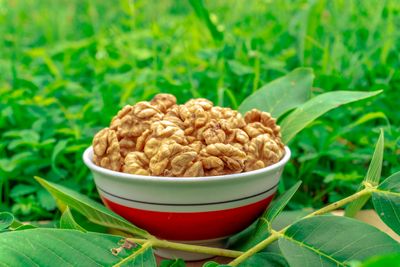
Photo by Zulfugar Karimov
What's Actually Inside a Walnut
A single ounce of walnuts (about 14 halves) contains roughly 2.5 grams of alpha-linolenic acid (ALA) — a plant-based omega-3 fatty acid. For comparison, the same serving of almonds contains essentially zero omega-3s. Pecans have a trace amount. Walnuts aren't just ahead — they're in a different category entirely.
Beyond the omega-3 content, that same ounce of walnuts delivers about 4g of protein, 2g of fiber, 45mg of magnesium, and meaningful amounts of copper, manganese, phosphorus, and vitamin B6. They also contain polyphenols — plant compounds concentrated in the thin, papery skin that gives walnuts their slightly bitter edge.
Why Walnuts Are Unique Among Tree Nuts
Most tree nuts are dominated by monounsaturated fats — the same type found in olive oil. Walnuts are different. Their fat profile is primarily polyunsaturated, with that unusually high ALA concentration. This makes them compositionally distinct from every other nut in the grocery store.
Walnuts also have the highest antioxidant content of any common nut, according to analyses comparing total polyphenol levels across varieties. Most of those antioxidants sit in the skin — which is why raw, unpeeled walnuts retain more of their nutritional complexity than blanched or processed versions.
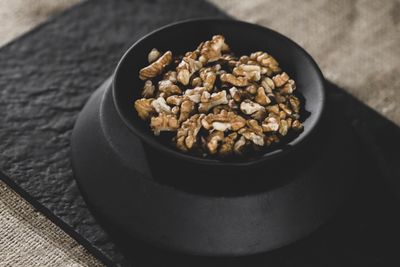
Photo by Engin Akyurt
Here's a breakdown of the key nutrients in walnuts:
- Alpha-linolenic acid (ALA) — 2.5g per ounce, the highest of any tree nut. ALA is a plant-based omega-3 fatty acid.
- Polyphenols — walnuts contain ellagitannins and other phenolic compounds concentrated in the skin
- Magnesium — approximately 45mg per ounce, a mineral many diets are low in
- Vitamin E (gamma-tocopherol) — the form of vitamin E most concentrated in walnuts, distinct from the alpha-tocopherol found in almonds
Walnuts have been cultivated since at least 7000 BCE and were one of the earliest tree foods consumed by humans. They were traded along ancient routes between Persia and the Mediterranean, and remain a staple ingredient in Persian, Middle Eastern, and Southern European cooking to this day.
Explore More Whole-Food Ingredients
The Healthy Way app shows you which whole, plant-based ingredients belong in your kitchen — plus recipes that make cooking with them simple and delicious.
Download The Healthy WayRecipe: Walnut Blueberry Smoothie
This smoothie is built around the walnut's rich, slightly bitter flavor, balanced by the sweetness of banana and the tartness of blueberries. The hemp seeds add a nutty depth and extra protein. It's filling, it blends thick and creamy, and it comes together in under five minutes.
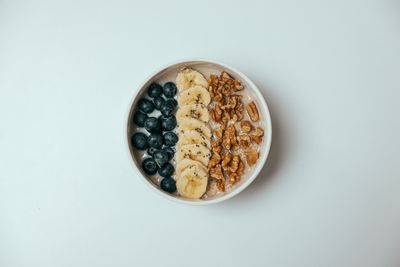
Photo by Cup of Couple
What You'll Need
Prep time: 5 minutes | Serves: 1
- 1/4 cup raw walnuts
- 1/2 cup blueberries (fresh or frozen)
- 1 ripe banana
- 1 tablespoon hemp seeds
- 1 cup spring water
- 1 teaspoon pure agave syrup (optional)
Directions
- Add the walnuts to your blender first and pulse until they're broken into small pieces.
- Add the blueberries, banana, hemp seeds, and spring water.
- Blend on high for 45–60 seconds until completely smooth and creamy.
- Taste and add agave syrup if you want a little more sweetness.
- Pour and drink immediately — this smoothie is best fresh.
What's in Each Ingredient
- Walnuts — 2.5g omega-3 (ALA) per ounce, plus polyphenols and magnesium
- Blueberries — high in anthocyanins (the pigments responsible for their deep color) and vitamin C
- Banana — contains natural sugars (glucose, fructose, sucrose) and about 422mg of potassium per medium fruit
- Hemp seeds — complete plant protein with all essential amino acids, plus omega-3 and omega-6 fatty acids
Cooking with Walnuts Beyond the Smoothie
Walnuts are remarkably versatile in the kitchen. They can be blended into sauces — walnut-based pesto is a classic Ligurian variation. They can be crumbled over salads, folded into grain bowls, or ground into a flour-like meal for baking. In Georgian cuisine, crushed walnuts form the base of a traditional sauce called bazhe. In Mexican cooking, they appear in nogada sauce, draped over stuffed peppers.
The flavor of a walnut shifts depending on how you use it. Raw, they're slightly tannic and bitter. Toasted, they turn warm and buttery. Blended into a smoothie, they add richness and body without overpowering the other flavors.
If you've been defaulting to almonds or cashews for everything, walnuts are worth rotating in — not just for variety, but because their nutritional composition is genuinely different from any other nut you can buy.
Discover More Plant-Based Recipes
The Healthy Way app puts alkaline ingredients and easy recipes right at your fingertips — so every meal is built around whole, real food.
Get The Healthy Way Free