The Most Mineral-Rich Food on Earth Doesn't Grow on Land
If someone asked you to name the most mineral-rich food you could eat, what would you guess? Kale? Spinach? Maybe liver?
None of them come close.
The most mineral-dense foods on the planet don't grow in soil at all. They grow in the ocean — anchored to rocks, swaying in cold currents, absorbing every trace mineral the sea has to offer. They're called sea vegetables, and the gap between their nutritional profile and anything you'll find in the produce aisle is staggering.
We're not talking about the decorative seaweed on a sushi plate. We're talking about dulse, wakame, nori, arame, and hijiki — ancient foods that coastal cultures around the world have relied on for thousands of years. And while most of the Western world completely ignores them, these ocean plants are quietly some of the most mineral-rich foods you could add to your kitchen.
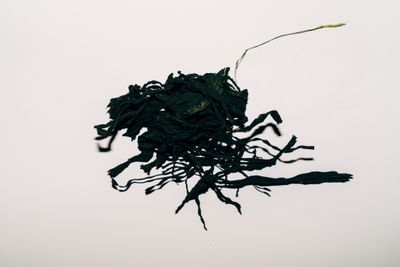
Photo by Markus Winkler
Why Sea Vegetables Are in a League of Their Own
Here's what makes seaweed nutrition so different from anything on land: the ocean is a living mineral bath. Seawater contains virtually every mineral and trace element — iodine, iron, calcium, magnesium, zinc, potassium, manganese, selenium — in naturally dissolved, bioavailable forms.
Sea vegetables grow directly in this water. They don't have roots pulling nutrients from depleted topsoil. They absorb minerals directly from the sea through every cell of their body. The result? Mineral concentrations that dwarf anything growing on land:
- Dulse contains up to 30 times more potassium than a banana
- Wakame provides significant calcium, magnesium, and iron in a single serving
- Nori is one of the few plant sources of Vitamin B12 — notable for anyone on a plant-based diet
- Hijiki is extraordinarily rich in iron and calcium
- Arame is a gentle, slightly sweet variety loaded with iodine and zinc
And here's the detail that most people miss: modern farmland has been so heavily cultivated that topsoil is depleted of trace minerals. The vegetables you buy today — even organic ones — contain significantly fewer minerals than the same vegetables 50 years ago. The ocean doesn't have that problem. Its mineral content is essentially constant. Sea vegetables are getting the same mineral load they got a thousand years ago.
What's Inside Sea Vegetables
Beyond the raw mineral numbers, the seaweed nutritional profile is distinct in several ways:
Natural Iodine — One of the Richest Sources on Earth
Sea vegetables are the richest natural source of iodine rich foods on the planet. A small serving of dulse or wakame delivers more iodine than most people get in a week of regular eating. Iodine is a trace mineral that's difficult to obtain from land-based foods alone, which is why it was historically added to table salt.
Deep Mineral Diversity
Most people are chronically low in trace minerals — not because they don't eat vegetables, but because their vegetables are growing in mineral-depleted soil. Sea vegetables bypass that problem entirely. They contain iron, calcium, magnesium, and zinc in concentrations that are difficult to match with land-based produce.
Alginate — A Unique Fiber Compound
Sea vegetables contain a unique compound called alginate — a type of soluble fiber not found in land plants. Multiple studies have confirmed that alginate from seaweed can bind to heavy metals like lead, cadmium, and strontium in the digestive tract. This compound is unique to sea vegetables and is one of the reasons they've drawn so much research interest.
Alkaline-Forming Powerhouses
Sea vegetables are among the most alkaline-forming foods you can eat. Their rich mineral content — especially calcium, magnesium, and potassium — classifies them firmly in the alkaline-forming category. They don't just add nutrients — they add mineral diversity that's hard to find anywhere else.
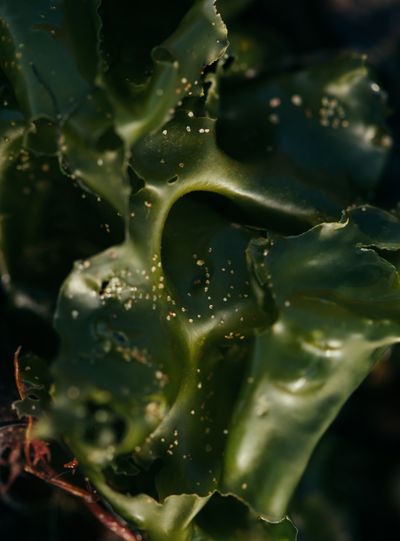
Photo by Ellie Burgin
Sea Vegetables Are Alkaline-Approved
The Healthy Way app includes dulse, wakame, nori, arame, and hijiki on its complete alkaline-approved food guide — plus recipes and tips to help you start using them today.
Download The Healthy WayA Beginner's Guide to Each Sea Vegetable
If you've never cooked with sea vegetables, the names alone can feel intimidating. But each one has a distinct flavor and a simple way to use it. Here's your guide:
Dulse
Flavor: Smoky, slightly salty — often described as having a bacon-like quality when pan-fried.
Best for: Snacking straight from the bag, crumbling into salads, or pan-frying in a little coconut oil until crispy. Dulse flakes are an easy way to sprinkle minerals onto any meal.
Standout nutrient: Potassium and iron.
Wakame
Flavor: Mild, slightly sweet, silky texture when rehydrated.
Best for: Soups and salads. Soak dried wakame in water for 5 minutes and it expands into tender, emerald-green strips. Toss it into any salad or warm broth.
Standout nutrient: Calcium and magnesium.
Nori
Flavor: Mild, umami, crisp and papery when dry.
Best for: Wrapping anything — use nori sheets instead of tortillas for a quick wrap filled with avocado, vegetables, and wild rice. Also great torn into small pieces and sprinkled over salads or soups.
Standout nutrient: Vitamin B12 and protein.
Arame
Flavor: Mild, slightly sweet — the most beginner-friendly sea vegetable.
Best for: Soak for 5 minutes, then toss into stir-fries, grain bowls, or salads. Its thin strands blend in easily without dominating the dish.
Standout nutrient: Iodine and zinc.
Hijiki
Flavor: Bold, earthy, slightly nutty.
Best for: Sautéed with onions and sesame oil as a warm side dish. Hijiki has a stronger taste and firmer texture — ideal when you want the sea vegetable to be the main event, not a garnish.
Standout nutrient: Iron and calcium.
How to Start (Without Overwhelm)
You don't need to overhaul your kitchen. Start with one. Here's the simplest path in:
- Buy dulse flakes or dulse powder from a health food store or online. It's the easiest entry point — just sprinkle it on salads, soups, or avocado toast like you'd use salt.
- Replace one snack per day with roasted nori sheets. They're light, crispy, and satisfying — and each sheet contains B12, iodine, and protein.
- Add wakame to one meal per week. Soak a small handful in water for 5 minutes, drain, and toss it into whatever you're already eating. Salad, soup, a grain bowl — it fits anywhere.
That's it. Three small moves. Within a month, you'll have more mineral diversity in your diet than most people get in a year.
Where to Find Sea Vegetables
Most health food stores carry dried dulse, wakame, nori, and arame. Asian grocery stores are an even better bet — they tend to carry a wider variety at lower prices. You can also find all of them online. Look for brands that source from clean waters (Atlantic or Pacific coast, ideally).
Dried sea vegetables store for months in a cool, dry pantry. A single bag lasts weeks because you only need a small amount per serving. Dollar for dollar, gram for gram, there is nothing in the produce aisle that delivers this much mineral density for this little cost.
The Food Most People Are Missing
We spend so much time debating which land vegetable is "best" — kale versus spinach, broccoli versus Brussels sprouts — that we completely ignore the category of food that outperforms all of them in mineral content. Sea vegetables aren't exotic. They aren't weird. They're the original mineral source — the one that's been growing in the ocean since before humans existed.
The mineral diversity in sea vegetables is unmatched by anything on land. Not just a few minerals — dozens of them, in trace amounts, in every serving. And the most reliable source of that diversity isn't a pill or a powder. It's the same food that coastal cultures have been eating for thousands of years.
Grab some dulse flakes this week. Sprinkle them on your next salad. And discover what the ocean has been growing all along.
Discover the Full Alkaline-Approved Food Guide
Sea vegetables, ancient grains, herbs, and more — The Healthy Way app has every approved ingredient plus recipes to help you cook with the most mineral-rich foods on earth.
Get The Healthy Way Free