This Deep Purple Berry Has Been in European Kitchens for Centuries — Most Americans Have Never Tasted It
There's a berry that grows wild across Europe, from English hedgerows to the hillsides of Austria. It's been cooked into syrups, wines, pies, and preserves for centuries. Entire festivals in rural Europe are built around its harvest season. And yet most Americans have never tasted it — or even seen one in person.
It's called the elderberry. And while it's finally starting to appear in health food stores (usually as a supplement), the real story of this berry is a culinary one. Elderberry has been a kitchen ingredient in Europe for far longer than it's been a capsule in a bottle.
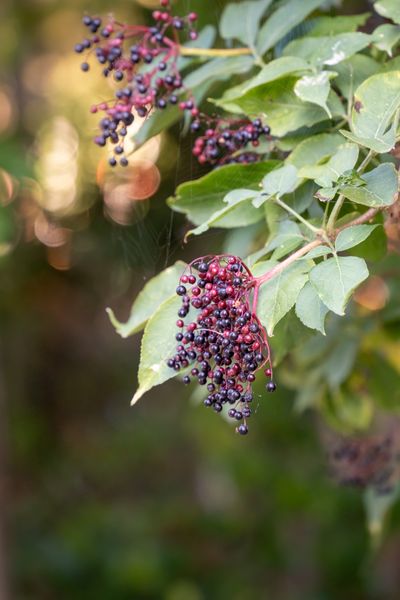
Photo by Gundula Vogel
Elderberries: A Culinary History Most People Don't Know
Elderberries (Sambucus nigra) have been part of European food culture for thousands of years. Ancient Egyptians used them in preparations. The Romans made elderberry wine. In medieval England, elderflower cordial was a summertime staple, and elderberry preserves were put up for winter. Native American tribes also used the American elder species in cooking and traditional preparations.
In modern Europe, elderberry is still very much a kitchen ingredient. In Austria and Germany, elderflower syrup (Holundersirup) is mixed into sparkling water as a summer drink. In Scandinavia, elderberry soup (fladerberrsoppa) is a traditional dessert. In the UK, elderflower cordial is sold in every supermarket.
In the United States, though, elderberry jumped straight from "wild berry most people ignore" to "supplement you buy in a bottle" — skipping the kitchen entirely. That's a missed opportunity, because elderberry is a genuinely interesting ingredient to cook and drink with.
What's Inside an Elderberry: Nutrient Composition
Elderberries are one of the most antioxidant-rich foods ever tested. Here's what makes them nutritionally distinctive:
Exceptionally High in Anthocyanins
Elderberries contain very high concentrations of anthocyanins — the dark purple pigments responsible for their deep color. Gram for gram, elderberries contain more anthocyanins than blueberries, blackberries, and most other commonly available berries. Anthocyanins are the same class of compounds found in red cabbage, black rice, and concord grapes.
Rich in Flavonoids
Elderberries are loaded with flavonoids — a broad class of plant compounds found across fruits, vegetables, and herbs. The specific flavonoid profile of elderberries is unusually concentrated compared to most berries of similar size.
Natural Vitamin C
A single cup of elderberries provides over half of the daily recommended intake of vitamin C. They also contain smaller amounts of vitamin A, potassium, iron, and dietary fiber.
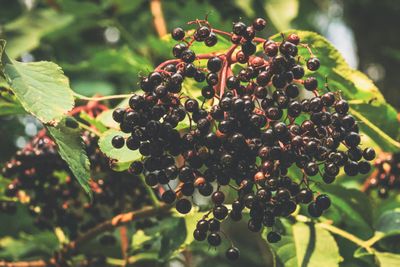
Photo by Susanne Jutzeler
Cooking with Elderberry: Where to Start
If you've only seen elderberry as a supplement, it's worth knowing that the berry itself is a versatile cooking ingredient with a tart, slightly floral flavor — somewhere between a blackberry and a cranberry, with its own distinct earthiness.
A few important notes: raw elderberries contain compounds that can cause nausea, so they should always be cooked before eating. Dried elderberries and elderberry tea bags are the most accessible forms for home cooks in the US — you'll find them at most health food stores and online.
The simplest way to start is with a tea or tonic. Brewing elderberries releases their color, flavor, and water-soluble compounds into a deep purple drink that's tart and aromatic on its own, and even better with citrus and a little sweetness.
Build a Kitchen Full of Ingredients Like This
The Healthy Way app gives you a complete guide to alkaline-approved foods — including berries, herbs, and whole foods you can cook with every single day.
Download The Healthy WayElderberry Tea: The Simplest Way to Try It
If you're new to elderberries, tea is the easiest entry point. You can find dried elderberries or pre-made elderberry tea bags at most health food stores.
Brewing elderberry tea releases the anthocyanins, flavonoids, and vitamin C into a deep purple, slightly tart drink. It's warm, aromatic, and something you can drink daily without any complicated prep.
But if you want to take it one step further, a simple tonic combines elderberry tea with other alkaline-approved ingredients that round out the flavor.
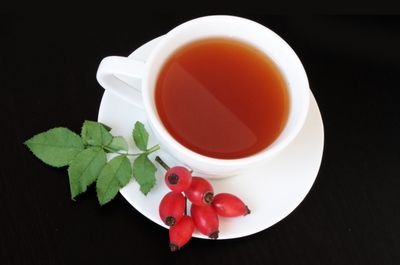
Photo by Pixabay
Recipe: Elderberry Tonic with Key Lime and Ginger
This tonic is simple enough to make every day and flavorful enough to look forward to. The elderberry provides a tart, fruity base, the key lime adds brightness, the ginger brings warmth, and the agave rounds it all out.
Prep time: 10 minutes | Serves: 1
Ingredients
- 1 cup brewed elderberry tea (strong — steep for 8–10 minutes)
- Juice of 1 key lime
- 1 teaspoon pure agave syrup
- 1 small slice of fresh ginger (about 1/4 inch)
Directions
- Brew a strong cup of elderberry tea. Use two tea bags or two tablespoons of dried elderberries steeped in boiling water for 8–10 minutes.
- While the tea is still warm, squeeze in the juice of one key lime and stir.
- Add the agave syrup and the small slice of ginger. Let the ginger sit in the cup for 2–3 minutes to infuse.
- Remove the ginger slice and sip slowly.
The elderberry gives the tonic its deep purple color and tart, berry-forward flavor. The key lime adds a burst of citrus. The ginger brings a subtle warmth. And the agave adds just enough sweetness to balance the tartness. It's a drink that's been made in variations across European kitchens for centuries — and it's worth bringing into yours.
A Berry Worth Discovering
Elderberry has been a part of European food culture for over 2,000 years. It's been made into wines, syrups, cordials, jams, soups, and pies across dozens of countries and centuries. Entire regional cuisines have recipes built around the elderberry harvest.
In the United States, most people have only encountered it as a supplement label. But the berry itself — tart, deeply colored, and unlike any other fruit you've tried — deserves a place in the kitchen, not just the medicine cabinet.
Start with a simple tea. See what you think. You might find a new favorite ingredient hiding in a berry you've never tasted.
Discover More Alkaline-Approved Ingredients
The Healthy Way app helps you choose alkaline-approved foods for every meal — including berries, herbs, and whole foods you can explore every single day.
Get The Healthy Way App