The World's Oldest Cultivated Grain Is Gluten Free — And You've Probably Never Tried It
There's a grain that has been cultivated for over 5,000 years. It grows faster than almost any cereal crop on Earth — ready to harvest in as little as six weeks. It's naturally gluten free. It contains amino acids that most other grains are missing. And it cooks in under five minutes.
Most people outside of West Africa have never heard of it.
It's called fonio — and it might be the most overlooked grain in the world.
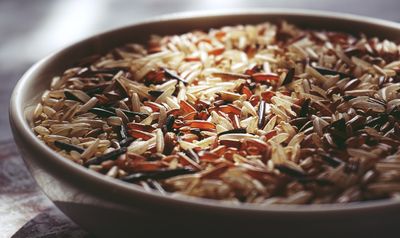
Photo by Suzy Hazelwood
A Grain Older Than Recorded History
Fonio (Digitaria exilis) is one of the oldest ancient grains ever cultivated by humans. Archaeological evidence shows it was grown across the Sahel region of West Africa — stretching from modern-day Senegal to Chad — long before wheat, rice, or corn became staple crops elsewhere in the world.
The Dogon people of Mali considered fonio so important they called it "the seed of the universe" — believing it contained all the building blocks of creation. For thousands of years, it was reserved for royalty, served at weddings and ceremonies, and used as a sacred offering.
And then, for most of the modern era, the world forgot about it.
While wheat and rice became global commodities, fonio remained a regional staple — grown by small-scale farmers across West Africa but virtually unknown in the rest of the world. That's starting to change, as researchers and food communities are rediscovering what the Dogon knew all along: this grain is extraordinary.

Photo by Timon Cornelissen
Fonio Benefits: Why This Grain Deserves a Spot in Your Kitchen
Fonio isn't just historically interesting — it's nutritionally remarkable. Here's what makes it stand out among gluten free grains — and why it belongs on any list of vegan breakfast foods worth knowing about.
Naturally Gluten Free
Fonio contains zero gluten — not reduced gluten, not "low gluten," but none at all. For anyone avoiding gluten for dietary reasons or sensitivity, fonio is one of the safest and most versatile gluten free grains available. It can be used as a base for porridge, salads, side dishes, and even baked goods.
Rich in Amino Acids Other Grains Lack
Most grains are low in two critical amino acids — methionine and cysteine. Fonio is unusually rich in both. This makes fonio closer to a complete protein grain than almost anything else in the grain family.
Low Glycemic Index
Fonio is digested slowly, which means it doesn't cause the rapid blood sugar spikes that refined grains do. It's classified as a low-glycemic grain, making it a notably different option from white rice, white bread, or instant oatmeal.
Contains Iron and B Vitamins
Fonio is a good source of iron and B vitamins. A single serving delivers meaningful amounts of both without any supplements needed.
How Fonio Compares to Other Gluten Free Grains
If you're already eating alkaline grains like quinoa, amaranth, or wild rice, you're on the right track. Here's how fonio fits into that picture:
- Quinoa — excellent complete protein, but takes 15–20 minutes to cook. Fonio cooks in under 5.
- Amaranth — nutrient-dense and versatile, but has a stronger flavor that doesn't work in every dish. Fonio is mild and neutral.
- Wild rice — rich in antioxidants, but takes 40–50 minutes to prepare. Fonio is ready before your tea finishes steeping.
- Teff — another ancient African grain with great nutrition, but harder to find in many areas. Fonio is becoming more widely available.
Fonio doesn't replace these grains — it joins them. But its speed, mild flavor, and unique amino acid profile make it one of the most practical ancient grains you can add to your rotation.
Discover Every Alkaline Grain, Seed, and Superfood
The Healthy Way app gives you a complete guide to alkaline-approved grains, fruits, vegetables, and more — so you always know exactly what belongs in your kitchen.
Download The Healthy WayHow to Cook Fonio
If you've ever made couscous, you already know how to cook fonio. It's one of the simplest grains to prepare — no soaking, no long simmer times, no fuss.
- Boil water. Use a 1:2 ratio — one part fonio to two parts water.
- Add fonio and a pinch of sea salt. Stir once.
- Cover, reduce heat, and let it sit for 3–4 minutes.
- Fluff with a fork. It should be light, fluffy, and ready to eat.
That's it. From dry grain to finished dish in under five minutes. You can serve it sweet — topped with fruit and coconut oil — or savory, with vegetables and herbs. Fonio takes on whatever flavor you give it, which makes it one of the most flexible grains in any kitchen.
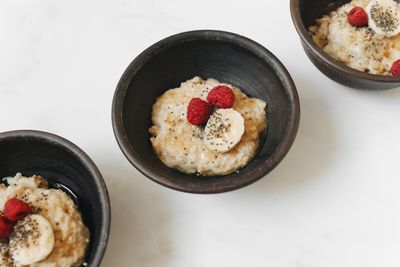
Photo by Polina Tankilevitch
Recipe: Fonio Breakfast Porridge With Fresh Fruit
This is the easiest way to try fonio for the first time. It's warm, filling, naturally sweet, and ready in under 10 minutes.
Prep time: 8 minutes | Serves: 1
Ingredients
- 1/2 cup fonio
- 1 cup spring water
- 1 tablespoon coconut oil
- 1 date, chopped
- 1/2 burro banana, sliced (or regular banana)
- Handful of blueberries
- Pinch of pure sea salt
Directions
- Bring the water to a boil in a small pot. Add the fonio and sea salt.
- Stir once, cover, and reduce heat to low. Let it sit for 3–4 minutes.
- Remove from heat and fluff with a fork. Stir in the coconut oil until melted and mixed through.
- Transfer to a bowl. Top with sliced banana, blueberries, and chopped date.
- Enjoy warm — no sweetener needed. The date and fruit provide all the natural sweetness.
This porridge is light but filling — and once you realize how fast fonio cooks, it becomes the easiest whole grain breakfast in your rotation — a genuine vegan breakfast recipe that takes less time than boiling an egg.
The Grain the World Forgot
For 5,000 years, fonio fed some of the earliest civilizations in human history. It survived droughts, grew in poor soil where nothing else could, and nourished entire communities across West Africa.
Then the modern food industry chose wheat, corn, and rice — and fonio nearly disappeared from the global conversation.
But the nutrition is still there. The history is still there. And now, more people than ever are discovering what the Dogon people always knew — this tiny grain has a nutritional profile that most modern grains can't match.
If you've been looking for a gluten free breakfast option that's fast, versatile, and packed with nutrients most grains can't match — fonio has been waiting for over 5,000 years for you to find it.
Eat the Way Nature Intended
The Healthy Way app is your guide to alkaline-approved eating — from ancient grains to fresh fruits to powerful seeds. Everything in one place.
Get The Healthy Way App