This Root Shows Up in Almost Every Cuisine on Earth — And There's a Good Reason
There's a knobby, unassuming root that shows up in kitchens from Tokyo to Lagos to Kingston to Mexico City. It's in stir-fries, curries, teas, baked goods, soups, marinades, and cocktails. It's been traded across continents for over 5,000 years, and it remains one of the most widely used spices on the planet.
That root is ginger. And what makes it so interesting isn't just its flavor — it's the sheer range of what you can do with it in the kitchen, and the depth of culinary tradition behind it.
Today we're going to look at what's actually inside ginger, how it's been used across cultures for thousands of years, and a simple warm tonic recipe that highlights its unique flavor profile.
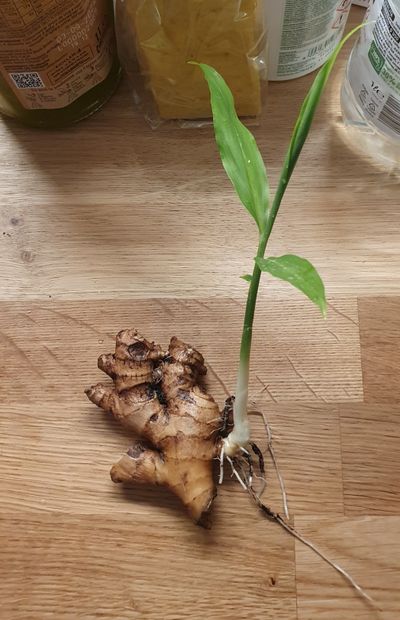
Photo by The DonkeyLord
One of the Most Traded Spices in History
Ginger originated in Southeast Asia and was one of the first spices exported from the region. Ancient trade routes carried it to the Roman Empire, where it was nearly as valuable as black pepper. Arab traders brought it across the Indian Ocean. By the medieval period, it was one of the most commonly traded spices in Europe — used in everything from beverages to preserved meats.
In Chinese cooking, ginger has been a foundational aromatic for thousands of years — paired with garlic and scallions as part of the classic flavor base. In Indian cuisine, it appears in both fresh and dried forms across curries, chutneys, and chai. In the Caribbean, ginger beer became a cultural staple. In Japanese cuisine, pickled ginger (gari) accompanies sushi as a palate cleanser between bites.
Few ingredients have traveled as widely or embedded themselves as deeply into as many culinary traditions as ginger.
What's Actually Inside Ginger
Ginger's distinctive heat comes from compounds called gingerols — particularly 6-gingerol, the most abundant bioactive compound in fresh ginger root. When ginger is dried or cooked, gingerols convert into shogaols, which have a sharper, more pungent flavor. This is why dried ginger tastes noticeably different from fresh.
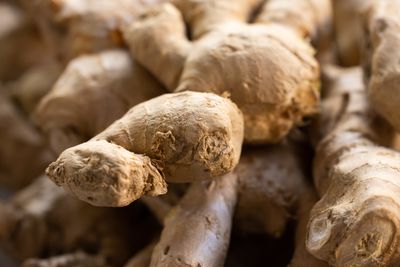
Photo by Engin Akyurt
Here's what ginger contains:
- Gingerols and shogaols — the pungent compounds responsible for ginger's characteristic heat and warmth
- Volatile oils — including zingiberene and bisabolene, which give ginger its complex aroma
- Manganese — a trace mineral; a tablespoon of fresh ginger provides a small but meaningful amount
- Fiber and starch — ginger is a rhizome (underground stem), and its structure includes both fibrous and starchy components
Ginger is also alkaline-forming once metabolized. For the alkaline community, it's one of the most versatile flavor-building ingredients available.
Fresh vs. Dried vs. Pickled: How Form Changes Flavor
One of the reasons ginger appears in so many cuisines is its ability to transform depending on preparation. Fresh ginger is bright, juicy, and peppery — ideal for stir-fries, fresh juices, and marinades. Dried ground ginger is warmer and more concentrated — the version used in baking, spice blends, and curries. Pickled ginger is mild and slightly sweet — designed to cleanse the palate.
Crystallized ginger is yet another form — cooked in sugar syrup and dried, turning it into a chewy, sweet-hot confection popular in European baking. Each form brings out different aspects of the same root, which is part of what makes ginger so endlessly useful in the kitchen.
Explore Alkaline Recipes with Ginger
The Healthy Way app gives you the complete alkaline-approved food list, plant-based recipes, and daily guidance — so you always know what to cook next.
Download The Healthy WayRecipe: Ginger-Fennel Warm Tonic
This warm tonic is designed to be sipped after meals. The combination of ginger and fennel creates a layered flavor — ginger brings the heat and fennel adds a gentle, anise-like sweetness. Key lime brightens the whole thing. It's simple, aromatic, and takes about fifteen minutes from start to cup.
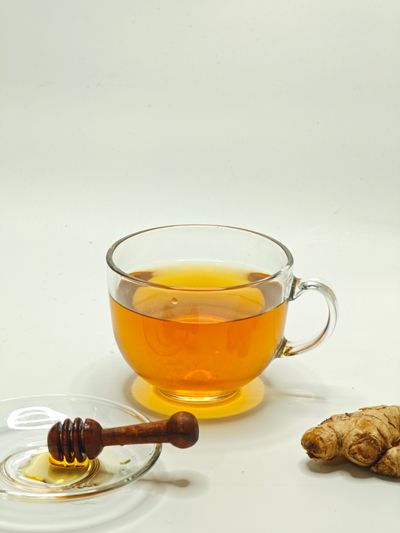
Photo by Masuma Rahaman
What You'll Need
Prep time: 5 minutes | Steep time: 10 minutes | Serves: 2
- 2 cups boiling water
- 1 tablespoon fresh ginger, peeled and thinly sliced
- 1 teaspoon fennel seeds (lightly crushed)
- Juice of 1 key lime
- 1 teaspoon pure agave syrup (optional)
- 1 pinch cayenne pepper (optional — adds warmth)
Directions
- Bring 2 cups of water to a boil in a small pot.
- Add the sliced ginger and crushed fennel seeds. Reduce heat to low and let it simmer gently for 10 minutes.
- Remove from heat and strain into two mugs.
- Squeeze the key lime juice into each mug and stir.
- Add agave syrup and a tiny pinch of cayenne if desired.
- Sip slowly after your meal.
What's in Each Ingredient
- Ginger — contains gingerols and shogaols, the pungent compounds that give it its characteristic warmth and heat
- Fennel seeds — a traditional spice used across Mediterranean and Indian cooking; contains anethole, the compound responsible for its licorice-like flavor
- Key lime — alkaline-forming citrus rich in vitamin C, adding a bright, clean acidity to the tonic
- Cayenne — contains capsaicin, which creates a lingering warmth and adds depth to the ginger's heat
- Agave — a natural sweetener with a lower glycemic index than refined sugar
More Ways to Cook with Ginger
Beyond this tonic, ginger is one of the most flexible ingredients you can keep in your kitchen. Grate it fresh into stir-fries during the last minute of cooking for a bright, sharp bite. Simmer sliced ginger in coconut milk for a fragrant curry base. Blend it into smoothies for a warming kick. Steep it alone in hot water for the simplest possible ginger tea.
You can also chew on a thin slice of raw ginger before meals — a practice common in parts of India and Southeast Asia. The flavor is intense — peppery and warming — but it's a simple way to engage with the ingredient in its most direct form.
Fresh ginger keeps for weeks in the refrigerator, and even longer when frozen (you can grate frozen ginger directly into dishes). It's inexpensive, widely available, and there's almost no cuisine on earth where it doesn't belong.
Discover More Alkaline Recipes
The Healthy Way app shows you exactly which ingredients to use and how to cook with them — plus alkaline recipes built around real, whole food.
Get The Healthy Way Free