The Most Nutrient Dense Vegetable on Earth — And You've Probably Never Eaten It
In 2014, researchers at William Paterson University set out to answer a simple question: which fruits and vegetables pack the most nutrition per calorie? They tested 41 of the most commonly recommended "powerhouse" foods — kale, spinach, blueberries, broccoli, sweet potatoes — the usual suspects.
One food scored a perfect 100 out of 100. Not kale. Not spinach. Not any of the trendy superfoods people spend $12 a bag on.
It was watercress.
A tiny, peppery green that most people have never bought, never cooked with, and couldn't pick out of a lineup. And yet, calorie for calorie, it is the single most nutrient dense food you can eat.
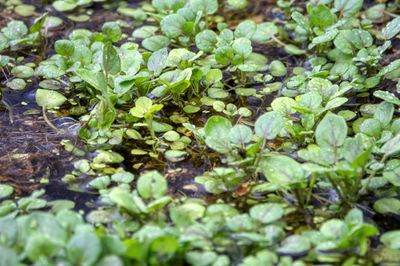
Photo by Tom Fisk
What Makes Watercress So Different?
Most people think of kale as the king of greens. And kale is good — no argument there. But when scientists measured nutrient density based on 17 critical nutrients per calorie (potassium, fiber, protein, calcium, iron, zinc, vitamins A, C, D, E, K, and more), watercress came out on top of every single food tested.
Here's what a single cup of raw watercress gives you:
- 106% of your daily Vitamin K
- 24% of your daily Vitamin C
- 22% of your daily Vitamin A
- Calcium, manganese, and potassium
And here's the part that matters most: all of this in just 4 calories. Four. That's what makes it the most nutrient dense vegetable on the planet — you get an extraordinary amount of nutrition for almost zero caloric cost.
Why Nobody Talks About It
So if watercress is the most nutritious vegetable ever studied, why isn't everyone eating it? Why isn't it in every smoothie recipe, every health blog, every grocery store display?
The answer is simple: there's no money in watercress. It's cheap. It grows wild near streams and rivers in almost every climate. You can't patent it, brand it, or charge a premium for it. It doesn't come in a powder, a capsule, or a subscription box.
The foods that get the most attention are the ones with the most marketing dollars behind them. Kale had a massive PR campaign. Açaí became a brand. Matcha became an aesthetic. Watercress just sat there quietly being the most nutritious leafy green in the produce section — at a fraction of the price.
And for the alkaline community, this matters even more. Watercress is highly alkaline-forming, rich in calcium, potassium, and magnesium. It's not just nutrient dense — it's one of the most mineral-rich greens you can find.
Photo by Arina Krasnikova
What's Inside Watercress — A Closer Look
Beyond the headline nutrient density score, here's what watercress actually contains:
Vitamin K and Calcium
Watercress is loaded with Vitamin K and calcium — two nutrients closely associated with bone density. A single cup delivers over 100% of your daily Vitamin K.
Vitamins A and C
The combination of Vitamins A and C in watercress is notable. Traditional herbalists called it a "blood cleanser" — and it has a long history of use across European and Asian food traditions.
Significant Micronutrient Density
With significant amounts of Vitamin C and Vitamin A in every serving, watercress delivers a concentrated dose of micronutrients. That's the quiet, consistent value of real whole nutrient dense foods — high nutrition per calorie, no processing required.
Want the Full Alkaline-Approved Food Guide?
The Healthy Way app includes every alkaline-approved ingredient — from watercress to wild rice — plus recipes and daily guidance to help you eat cleaner without the guesswork.
Download The Healthy WayHow to Actually Eat Watercress (It's Easier Than You Think)
One of the biggest reasons people skip watercress is that they don't know what to do with it. It looks delicate. It has a peppery bite that's different from lettuce or spinach. And it wilts fast.
But here's the thing: watercress is best eaten raw. No cooking required. That peppery flavor is actually a sign of the beneficial compounds inside — the same ones that contribute to its nutrient density score. Heat breaks some of them down, so eating it fresh preserves the most nutrition.
The easiest way to start? A simple salad that takes five minutes and uses ingredients you probably already have.
Recipe: Watercress Power Salad with Key Lime Dressing
This salad is built to showcase watercress as the star — not bury it under heavy dressings or toppings. The key lime dressing brings brightness, the avocado adds creaminess, and the hemp seeds deliver protein. Every ingredient is alkaline-approved.

Photo by Andy Kuzma
What You'll Need
Prep time: 5 minutes | Serves: 2
For the salad:
- 3 cups fresh watercress (stems trimmed)
- 1 ripe avocado, diced
- 1/2 cup cherry tomatoes, halved
- 1/2 cucumber, sliced thin
- 2 tablespoons hemp seeds
- 1/4 small onion, sliced into thin rings
For the key lime dressing:
- 3 tablespoons olive oil
- Juice of 2 key limes
- 1/2 teaspoon dried oregano
- 1 pinch pure sea salt
Directions
- Whisk together the olive oil, key lime juice, oregano, and sea salt in a small bowl until combined.
- Arrange the watercress on a plate or in a wide bowl as your base.
- Top with the diced avocado, cherry tomatoes, cucumber slices, and onion rings.
- Drizzle the key lime dressing over the top.
- Sprinkle hemp seeds over everything and serve immediately.
Why This Combination Works
- Watercress — the most nutrient dense green on the planet, delivering vitamins K, C, and A
- Avocado — provides healthy fats alongside fat-soluble vitamins
- Cherry tomatoes — add natural sweetness and lycopene
- Cucumber — hydrating and alkaline, keeps the salad crisp and refreshing
- Hemp seeds — complete plant protein and omega-3 fatty acids
- Key lime dressing — alkaline-forming citrus that brightens everything without overpowering the watercress
Where to Find Watercress
Most major grocery stores carry watercress in the produce section, usually near the herbs or specialty greens. It's often sold in small bunches or in plastic clamshell containers. Look for bright green leaves with no yellowing — that's your sign it's fresh.
If your store doesn't carry it, ask. Watercress is inexpensive for stores to stock, and a single customer request is sometimes all it takes. You can also find it at farmers' markets, Asian grocery stores, and some health food stores.
Once you have it, use it within 2–3 days for the best flavor and nutrition. Store it in the fridge with the stems in a glass of water, like fresh herbs, and it'll stay crisp longer.
The Quiet Power of Real Food
We live in a world that markets health in packages — supplements, powders, branded superfoods with slick labels. And there's a tiny, unassuming green sitting in the corner of the produce aisle, outperforming all of them. No brand deal. No influencer campaign. Just pure nutrition.
That's the thing about whole nutrient dense foods — they don't need marketing. They just deliver more nutrition per calorie than anything in a package. And when you start building your meals around ingredients like watercress instead of processed alternatives, you're choosing the most nutrient-dense option available.
Next time you're at the store, grab a bunch of watercress. Make the salad. Taste that peppery bite and know that what you're eating just scored a perfect 100 — the only food that did.
Discover More Nutrient-Dense Whole Foods
The Healthy Way app puts every alkaline-approved ingredient at your fingertips — plus recipes, tips, and guidance to help you eat with purpose.
Get The Healthy Way Free